
Aquanty recommends AlgoMesh or Gmsh for triangular element mesh generation

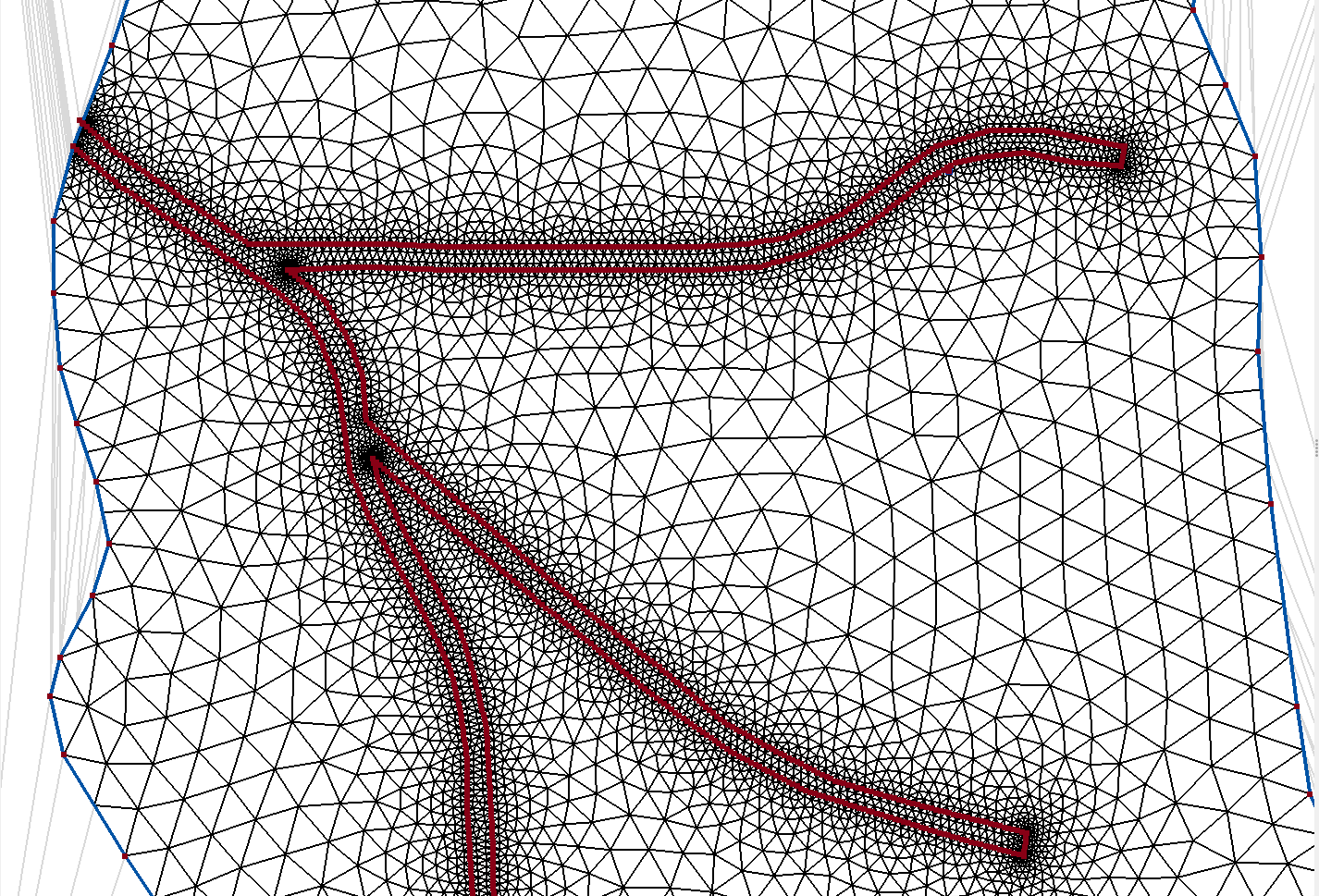
AlgoMesh® is the premier mesh generator and model-building solution from HydroAlgorithmics, providing fast generation of high-quality grids for HydroGeoSphere™. AlgoMesh v2 offers:
UNSTRUCTURED GRIDS - Allow scaling of detail to focus modelling accuracy on areas that matter
FLEXIBILITY - Use with its built-in user interface and integrate with HydroGeoSphere to enhance your modelling capabilities.
SUPERIOR ALGORITHM - Generate meshes that yield higher accuracy and faster runtimes.
Purchase AlgoMesh v2 with HGS for $2,000 USD ($1,000 USD for academics).
Visit the HydroAlgorithmics website to learn more about AlgoMesh, or contact sales@aquanty.com.
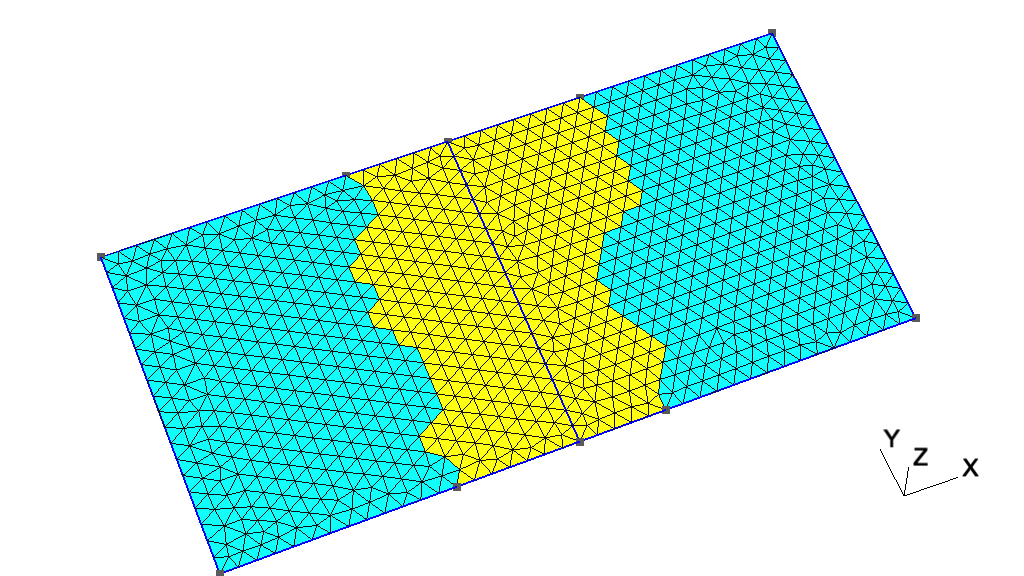
For a free alternative to mesh generation, consider Gmsh.
Gmsh is an open source 3D finite element mesh generator with a built-in CAD engine and post-processor. Its design goal is to provide a fast, light and user-friendly meshing tool with parametric input and flexible visualization capabilities.
For more information about Gmsh visit the Gmsh Website.
Aquanty recommends Tecplot or ParaView for results visualisation


Tecplot 360 is a leading post-processing tool and is Aquanty’s recommended tool to process and visualize the results of your HydroGeoSphere models. Tecplot 360 allows you to integrate XY, 2D & 3D plots and get them looking exactly the way you want, and communicate your results with brilliant images and animations.
For more information about Tecplot 360 visit the Tecplot Website.


For a free alternative to visualize your model results, consider ParaView.
ParaView is an open-source, multi-platform data analysis and visualization application. ParaView users can quickly build visualizations to analyze their data using qualitative and quantitative techniques. The data exploration can be done interactively in 3D or programmatically using ParaView’s batch processing capabilities.
ParaView was developed to analyze extremely large datasets using distributed memory computing resources. It can be run on supercomputers to analyze datasets of petascale size as well as on laptops for smaller data, has become an integral tool in many national laboratories, universities and industry, and has won several awards related to high performance computation.